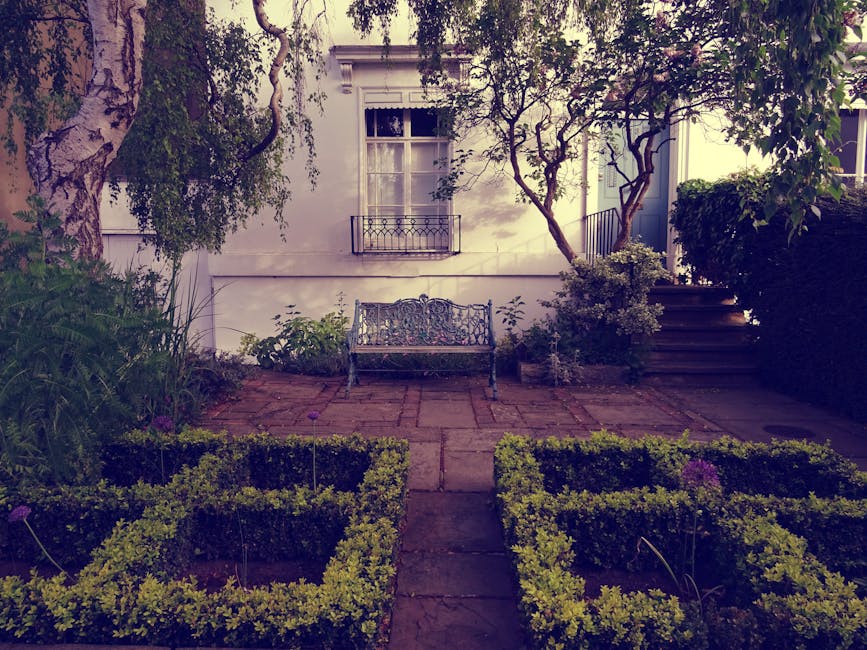
Bounds Green Road gardeners for small front gardens

Small front gardens can be wonderfully useful, but they can also become a bit of a juggling act. You want kerb appeal, easy access, low maintenance, and something that actually looks alive rather than tired by Tuesday afternoon. That is where Bounds Green Road gardeners for small front gardens really earn their keep. A compact frontage needs a different approach from a big back garden: tighter planting choices, sharper edging, smarter paths, and maintenance that stays realistic through wet winters, hot spells, and the usual London wear and tear.
If your front garden feels cluttered, overgrown, or simply awkward to use, this guide walks through the practical side of getting it sorted. We will look at what good small-front-garden gardening involves, how the work is usually approached, what benefits you can expect, common mistakes to avoid, and when it makes sense to bring in help. No fluff. Just the stuff that matters when space is tight and every square metre counts.
For readers who want a broader view of what is available locally, it can also help to start with the services overview and then narrow down the support you actually need, whether that is regular upkeep, tidy borders, or a small redesign.
Why Bounds Green Road gardeners for small front gardens Matters
A small front garden is often the first thing people see, but it is also the easiest area to neglect. Because it is right by the pavement, it gets trampling, leaf drop, dust, litter, and occasional damage from bins, bikes, or overgrown neighbours. It can look messy very quickly, even if the rest of the house is neat. That is why specialist attention makes a difference.
Good gardeners do more than cut things back. They look at scale, visibility, drainage, access, and the way the garden feels from the street. A front space that is six feet deep and slightly shaded needs a completely different plan from a deeper south-facing plot. To be fair, that sounds obvious, but it is surprising how often small gardens are treated like mini versions of larger ones. They are not. They need proportion, restraint, and a bit of discipline.
When managed well, a small front garden can soften brickwork, frame a doorway, and make a home feel cared for without turning into a maintenance burden. You want it to look intentional. Not busy. Not fiddly. Intentional.
If the front boundary has become unruly, a tidy reset can start with garden clearance and move into more regular upkeep through garden maintenance. That combination is often the simplest route for compact spaces that need both structure and consistency.
How Bounds Green Road gardeners for small front gardens Works
The process usually starts with a close look at the space as it is, not as you imagine it might be after a magical weekend transformation. The gardener will normally assess the size, current condition, sun and shade, soil health, visibility from the road, and how much time you want to spend maintaining it afterwards. That last one matters more than people expect.
From there, the work often falls into a few practical stages:
- Initial tidy-up. Remove dead growth, weeds, litter, damaged plants, and anything blocking paths or sightlines.
- Pruning and shaping. Reduce overcrowding, tame shrubs, and bring hedges or boundary plants back into neat proportion.
- Bed refinement. Re-edge borders, improve the shape of planting beds, and remove excess bulk where space is limited.
- Planting choices. Replace awkward or high-maintenance plants with compact, seasonal, or evergreen options better suited to the site.
- Surface and access checks. Make sure paving, steps, and entry paths are clear and safe.
- Ongoing plan. Agree what needs monthly, seasonal, or occasional attention so the garden does not slide backwards.
In many small front gardens, the real skill is subtraction. You remove the wrong things, keep the right structure, and suddenly the space breathes. A lot of people are amazed by how much bigger a front garden feels after a single careful cut-back. It is almost rude how effective it can be.
Where the frontage includes worn turf, uneven growth, or patchy grass, a targeted service such as lawn mowing can make a surprisingly big visual difference. And if the area is edged by a hedge that has grown a bit too confident, hedge trimming helps restore light and shape without taking the whole garden apart.
Key Benefits and Practical Advantages
The upside of investing in a small front garden is not just appearance. There is a very practical side to it, too.
- Better kerb appeal. A tidy frontage gives the house a calmer, more cared-for look.
- Safer access. Clear paths and controlled growth reduce trip hazards and make bin day less annoying. Honestly, bin day alone justifies some jobs.
- Less maintenance stress. Smaller, better-chosen planting is easier to keep under control.
- Improved light and space. Cutting back the wrong plants can make a modest garden feel open rather than cramped.
- Healthier growth. Plants often perform better once overcrowding and competition are reduced.
- Better seasonal rhythm. A small frontage can still look good year-round if the structure is right.
There is also a comfort benefit that people sometimes overlook. Walking up to a front door that looks neat, balanced, and uncluttered changes the feel of coming home. It is a small thing, sure, but small things add up.
For homeowners thinking beyond basic tidy work, the right treatment may include low-key landscape gardening or more comprehensive landscaping if the layout itself needs rethinking. If the main issue is persistence rather than design, regular care usually beats one-off heroics.
Who This Is For and When It Makes Sense
This kind of gardening is a good fit for quite a few situations.
- Homeowners with narrow or shallow front gardens who want a neat finish without constant effort.
- Landlords preparing a property for viewings or tenant turnover.
- Older residents who want the garden tidy but do not want to keep kneeling and pruning every weekend.
- Busy families who are fed up with the space looking scruffy whenever life gets hectic.
- People whose garden was planted years ago and has since grown into something a bit too enthusiastic.
It also makes sense when you are noticing the same issues repeating: weeds returning quickly, shrubs blocking windows, hedge lines becoming uneven, or the paving looking swallowed by foliage. If you have ever stood at the front door on a damp morning and thought, "Right, this needs sorting," you are the audience.
Some front gardens just need maintenance. Others need a reset. The difference is usually obvious once someone takes a proper look. A good gardener will tell you if a light tidy is enough or if the space needs a more decisive intervention. That honesty matters.
Step-by-Step Guidance
If you are planning work on a small front garden, it helps to think in stages rather than trying to do everything at once. Rushed front-garden jobs tend to look patchy. A steady, methodical approach usually gives the cleanest result.
- Walk the space. Notice what feels crowded, what is healthy, what blocks access, and what adds visual value.
- Decide the purpose. Is the garden mainly decorative, mainly practical, or a mix of both?
- Remove the clutter. Clear dead plants, broken pots, stray debris, and anything that makes the garden feel cramped.
- Cut back with restraint. The aim is usually shape and balance, not stripping everything bare.
- Define the edges. Crisp borders and neat lines make a small garden read better from the street.
- Choose plants for scale. Compact shrubs, evergreen structure, and seasonal colour often work better than oversized planting.
- Check maintenance load. If a plant needs constant attention, ask whether it deserves the space.
- Finish with a simple routine. Weekly weeding, light trimming, and a seasonal tidy are often enough to keep things respectable.
For many properties, this is where a consistent service becomes valuable rather than sporadic rescue work. A small front garden can go from tidy to tired very quickly if it is only touched once in a while. Not dramatic. Just true.
If your front space has become heavily overgrown or you have inherited a neglected patch, a heavier first visit may be needed before normal upkeep can begin. That is where a one-off cleanup followed by scheduled care becomes the sensible route.
Expert Tips for Better Results
Small front gardens reward restraint. The more compact the space, the more important it is to avoid crowding it with too many shapes, colours, or materials.
1. Pick one or two focal points, not five. A single good shrub, a tidy pot, or a clean path line often has more impact than a dozen little features fighting for attention.
2. Keep the plant palette simple. In small spaces, repetition can look elegant. Too much variety can feel fussy.
3. Use vertical height sparingly. Taller plants or screening features can help, but only if they do not block light or make the frontage feel boxed in.
4. Respect the path. If you need to step around a plant every time you unlock the door, it is in the wrong place. Simple as that.
5. Think through the seasons. Winter visibility, spring growth, summer watering, and autumn leaf drop all affect a small front garden more than people expect.
6. Keep maintenance realistic. A good design for a front garden is one you can actually sustain, not just admire for a week.
One small trick that works well in London front gardens: reduce visual noise. Hide the messy bits, simplify the border line, and keep the entrance clear. Suddenly the whole house feels calmer. You notice it on the way out, and you definitely notice it on the way in, cup of tea in hand.
Common Mistakes to Avoid
There are a few mistakes that show up again and again in small front gardens. They are understandable, but they can undo a lot of good work.
- Overplanting. Small beds fill up quickly, and overcrowding leads to stress, shade, and constant pruning.
- Ignoring access. A pretty garden that is awkward to enter is not really working.
- Using too many materials. Gravel, pots, borders, ornaments, and edging can all be fine, but too many competing elements make the space feel smaller.
- Choosing plants only for the moment. What looks lovely in May may look unmanageable by August.
- Letting hedges dominate. Front hedging can look great, but only if it stays in proportion.
- Skipping maintenance after the makeover. The first tidy is the easy bit. Keeping it good is the actual job.
A common one, and this catches a lot of people, is planting for a big-garden effect in a tiny space. It usually ends up with lovely plants that are just too much. The garden starts shouting instead of speaking. Nobody wants that from a front garden.
If the issue is an awkward hedge line or a hedge that keeps shedding into the path, professional hedge trimming is often better than trying to "just tidy it a bit" with hand shears on a Saturday afternoon. We have all been there. It rarely ends in joy.
Tools, Resources and Recommendations
You do not need a warehouse of equipment to keep a small front garden in shape, but the right tools make the work cleaner and safer.
- Hand pruners and loppers: for controlled trimming and deadheading.
- Spade or edging tool: for sharpening borders and reclaiming lost lines.
- Stiff broom or rake: useful for clearing driveways, paths, and small paved areas.
- Gloves and eye protection: sensible for thorny or dusty jobs.
- Bucket or trug: handy for collecting cuttings without making ten little trips.
- Watering can or hose: especially if the frontage gets full sun or sits in a sheltered heat pocket.
On the service side, it is worth checking whether you want a one-off tidy, seasonal help, or ongoing maintenance. A recurring plan usually makes more sense if the space is fast-growing or heavily visible from the street. A one-off visit may be enough if the issue is mainly a neglected reset.
It can also help to look at how garden waste is handled. If sustainability matters to you, ask about recycling and disposal practices. A service with a clear approach to reuse and responsible waste handling is often easier to trust, and it simply feels better to know the cuttings are not being handled carelessly. For more on that side of things, see recycling and sustainability.
Law, Compliance, Standards, or Best Practice
For most homeowners, front garden work is straightforward, but there are still a few practical standards worth keeping in mind. In the UK, it is sensible to make sure front paths, steps, and entrances are kept reasonably clear and safe. That is not just about appearance; it is about reducing the chance of trips and snagged footing, especially in wet weather.
Where trees or larger woody growth are involved, care matters more. A small front garden can still contain a tree with roots, canopy spread, or boundary considerations that deserve proper judgement. If a tree is close to a structure, wall, or overhead line, it should not be treated like a simple hedge. In those situations, specialist assessment is the wiser route, and tree lopping and removal may be relevant depending on the condition and scale of the tree.
Safety practice also matters for workers and residents. Good contractors should operate with appropriate insurance, sensible risk awareness, and clear methods for working around entrances, pavements, and neighbouring properties. If you are comparing providers, it is fair to ask about that directly. A little caution here is healthy, not awkward.
For reassurance on how a provider handles job standards and site safety, it can be useful to review pages such as health and safety policy and insurance and safety. These do not replace a conversation, of course, but they do tell you something about how seriously a business treats its work.
Options, Methods, or Comparison Table
Small front gardens can be managed in a few different ways, depending on how much time, budget, and ambition you have. None of them is automatically right. It depends what you want the space to do.
| Approach | Best for | Pros | Trade-offs |
|---|---|---|---|
| One-off tidy-up | Neglected or overgrown fronts that need a reset | Fast improvement, immediate impact | Needs follow-up or it slides back |
| Regular maintenance | Homes that want consistent presentation | Predictable, easier to manage, prevents overgrowth | Less dramatic than a full redesign |
| Light redesign | Gardens that are functional but awkward | Improves flow, structure, and appearance | Usually needs more planning |
| Full landscaping refresh | Front spaces with poor layout or tired features | Long-term improvement and stronger visual identity | More involved, sometimes more costly |
For many Bounds Green Road homes, the middle options are the sweet spot. A full redesign is not always necessary. Often, the space just needs the right balance of cut-back, small structural changes, and follow-up care. That is the bit people miss.
If hard surfaces, entrances, or levels are part of the problem, a broader landscape gardening approach may be more effective than pure maintenance. And if you want a more visible change in the look and feel of the frontage, landscaping can address the layout itself rather than just the plant growth.
Case Study or Real-World Example
Picture a typical small London front garden: a narrow path, a modest bed beside the house, a hedge line that has started leaning over the pavement, and a patch of tired grass that has more weeds than confidence. Not unusual at all.
The first job is usually to clear the clutter and restore shape. The hedge is trimmed back to a sensible line, the bed is re-edged, and the dead material is removed so the structure becomes visible again. Then the planting is simplified. A couple of overlarge shrubs might be reduced or replaced, and the remaining plants are given room to breathe. If there is a lawn strip, a tidy mow and edge finish instantly sharpen the whole look.
What happens next is the interesting bit. The garden does not just look cleaner. It looks bigger. The doorway becomes more prominent. The path feels wider. Even the house front appears brighter because there is less visual congestion around it. That first morning after the work is done can feel a bit like someone opened a window in the room.
Then the maintenance plan starts. Light visits keep the hedging under control, weeds are picked off before they set in, and seasonal cut-backs stop the frontage from drifting back into chaos. No drama. Just a manageable rhythm.
That is usually the difference between a one-time improvement and a front garden that stays pleasant to live with.
Practical Checklist
Before you book work for a small front garden, run through this quick checklist.
- Is the main problem overgrowth, poor layout, or both?
- Do you want a one-off tidy or ongoing maintenance?
- Are paths, steps, and entrances clear and safe?
- Which plants are worth keeping, and which are only taking up space?
- Does the current shape suit the size of the garden?
- Would trimming, pruning, or clearance solve the issue before redesigning anything?
- Is waste removal and recycling handled properly?
- Are you happy with how much upkeep the garden will need after the work?
- Do any trees, hedges, or boundary plants need specialist attention?
- Have you checked trust signals like insurance, safety, and clear service information?
And one more practical thought: if you are short on time, do not aim for perfection. Aim for manageable. That is what usually lasts.
Conclusion
Bounds Green Road gardeners for small front gardens are not just about making things look neat for five minutes. The real value is in shaping a compact space so it feels calm, practical, and easy to live with. In a small frontage, every cut, every plant choice, and every line matters more than people think. Get the balance right and the whole house benefits.
Whether you need clearance, maintenance, trimming, or a more considered redesign, the smartest approach is usually the one that suits the space you actually have. Not the fantasy version. The real one, with the narrow path, the awkward shade, and the hedge that keeps pretending it is bigger than it is. A bit of structure goes a long way.
If you are ready to improve a compact frontage and want a clearer idea of what is involved, take a look at the pricing and quotes information and then reach out through the contact page when you are ready to talk through the garden in more detail.
Get a free quote today and see how much you can save.
Frequently Asked Questions
What do Bounds Green Road gardeners for small front gardens usually help with?
They typically help with tidying, pruning, hedge trimming, lawn edging, weed control, clearance, planting improvements, and keeping the space manageable. In a small front garden, the aim is usually to make the area look neat without making it feel overworked.
How often should a small front garden be maintained?
That depends on the planting and exposure, but many small front gardens benefit from regular seasonal attention, with lighter visits in between if growth is fast. If the space is visible from the street, more frequent upkeep usually gives the best result.
Is a small front garden worth redesigning, or should it just be maintained?
If the layout works and the garden is mainly getting untidy, maintenance may be enough. If the space feels cramped, awkward, or poorly arranged, a small redesign can be worth it. Often the answer is somewhere in the middle: a tidy-up first, then a few structural improvements.
What makes a small front garden look bigger?
Simpler planting, clearer edges, less clutter, and better proportion usually make the biggest difference. Keeping the path open and reducing visual crowding can change the feel of the whole frontage very quickly.
Can I keep grass in a very small front garden?
Yes, but only if the area gets enough light and you are happy to mow and edge it regularly. In some tiny front gardens, a low-maintenance planted bed or mixed surface can be more practical than a small lawn that struggles to stay healthy.
What if my front hedge is too tall or wide?
That is a common issue and usually one of the first things that needs attention. A hedge that has outgrown the space can block light, crowd the path, and make the garden feel smaller than it is. Careful trimming usually helps, and sometimes more decisive reduction is needed.
Do small front gardens need different plants than back gardens?
Often, yes. Front gardens tend to work better with compact, resilient, and relatively tidy plants that hold shape well. Back gardens can sometimes tolerate more sprawling or informal planting, but front spaces usually need more discipline.
How do I know if I need garden clearance first?
If you cannot easily see the structure of the garden because of dead growth, weeds, broken items, or heavy overgrowth, clearance is usually the right first step. It clears the ground so you can see what is worth keeping and what needs changing.
What should I ask before hiring a gardener for a small front garden?
Ask what is included, how waste is handled, whether the work is one-off or ongoing, and whether they can handle both tidy-up and light redesign if needed. It is also sensible to ask about insurance and safety. Clear answers are usually a good sign.
Is landscaping too much for a small front garden?
Not necessarily. Even a tiny frontage can benefit from thoughtful landscaping if the layout is awkward or the current setup is not working. The key is scale. Small gardens need small, well-considered changes, not oversized features.
Can front garden work improve the value of a home?
It can improve presentation and first impressions, which matters when a property is being viewed or simply lived in day to day. It is better to think of it as improving appeal and usability rather than assuming any exact financial outcome.
What is the best first step if my front garden is badly overgrown?
Start with a proper clear-out, then assess what is worth keeping. Once the structure is visible again, it becomes much easier to decide whether regular maintenance, hedge work, lawn care, or a more thorough redesign is the next sensible move.