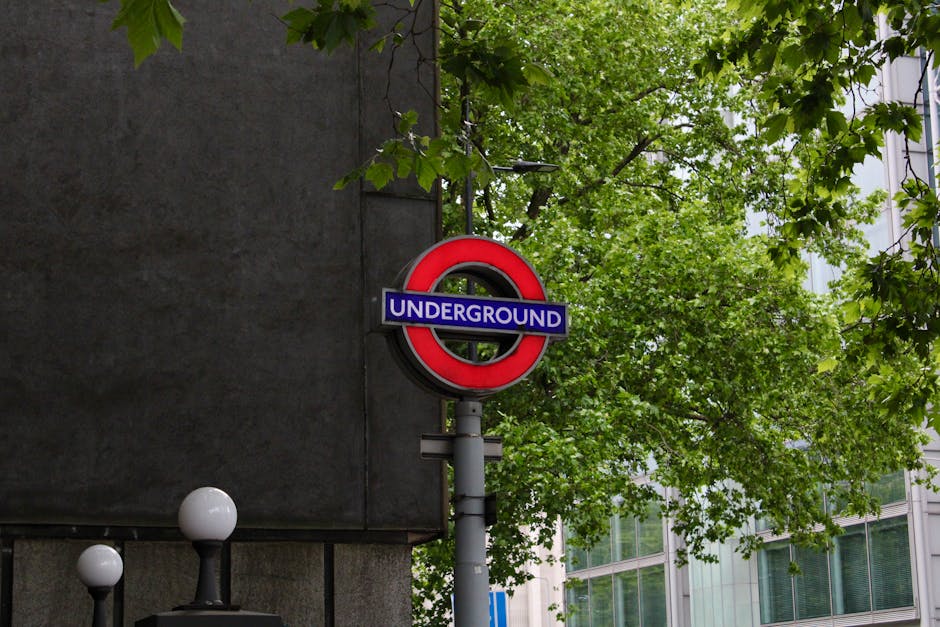
Garden clearance near Bounds Green Tube station N11
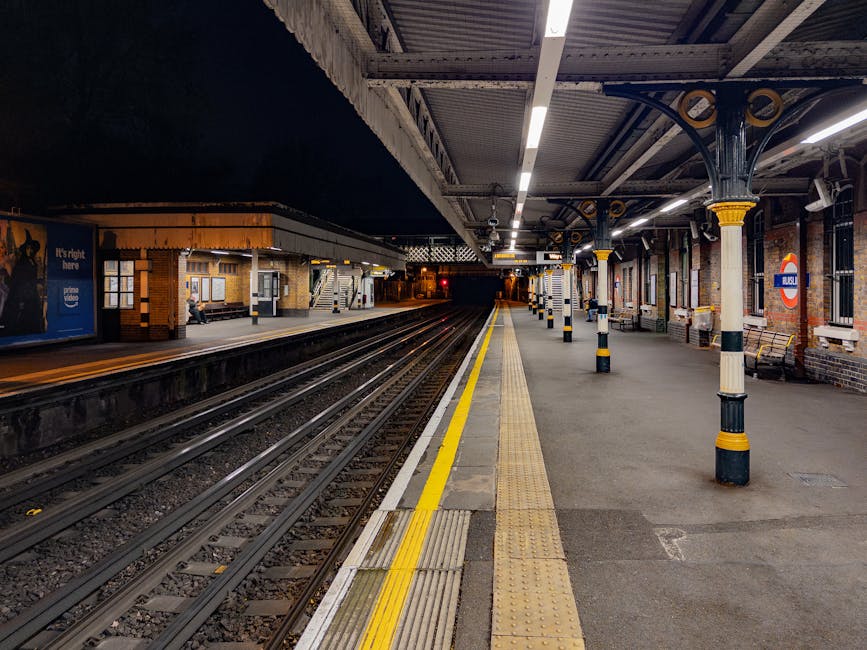
If your outdoor space has started to feel more like a storage yard than a garden, you are not alone. Garden clearance near Bounds Green Tube station N11 is often needed after a long winter, a move, a renovation, or simply a few seasons of life getting in the way. Overgrown borders, broken branches, green waste, old planters, and that one stubborn pile in the corner can build up quietly, then suddenly the whole space feels harder to use, harder to maintain, and a bit depressing on a grey London afternoon.
This guide explains what garden clearance involves, how it works, what to expect near Bounds Green, and how to decide whether you need a one-off clear-out or a broader plan for ongoing upkeep. It also covers practical safety points, common mistakes, and the small details that make a big difference when you want a tidy, usable garden without the stress.
Why Garden clearance near Bounds Green Tube station N11 Matters
A neglected garden is not just about appearance. In a dense part of London, outdoor space often works hard. It may need to be safe for children, tidy enough for neighbours, practical for pets, and manageable for the people who actually live there. When a garden becomes cluttered or overgrown, it can affect daily life in very ordinary ways: you stop using the patio, you avoid the back door, and mowing or hedge work starts to feel impossible because the basics are buried under everything else.
Near Bounds Green Tube station, homes often deal with limited access, narrow side passages, shared boundaries, or gardens that back onto other properties. That makes clearance more than a simple "take it all away" job. You need a plan that respects access, avoids mess spreading into the street or hallway, and leaves the space ready for whatever comes next.
There is also a practical timing angle. A clear garden is easier to inspect for drainage issues, damaged fencing, unstable branches, hidden debris, or areas where turf has died back. If you are thinking of future improvements, it is sensible to clear first and then plan the next stage. That might mean regular garden maintenance, a new layout, or even a more substantial refresh through landscaping or landscape gardening. In other words, clearance is often the beginning, not the end.
Expert summary: Good garden clearance is not just about removal. It is about making the space safe, usable, and ready for sensible next steps, without creating new problems in the process.
How Garden clearance near Bounds Green Tube station N11 Works
Most clearances follow a fairly straightforward pattern, but the best results come from a proper sequence rather than a rushed sweep-through. In a typical job, the team will first assess what needs removing, what can be cut back, what should be retained, and whether anything needs special handling. That last point matters more than people sometimes realise. A broken shed panel, a pile of treated timber, dense green waste, and a tangle of roots are not all the same thing from a disposal and safety point of view.
In practical terms, the work may include pruning back brambles, cutting down dense growth, collecting leaves, removing branches, lifting out dead plants, taking away old pots or garden furniture, and bagging or loading waste for removal. If a tree has become hazardous or is blocking access, you may also need support from tree lopping and removal. If hedges are swallowing paths or creating a mess along the boundary, hedge trimming may form part of the clearance plan too.
On the day, access is usually one of the key factors. Around Bounds Green, a service team may need to work carefully around parked cars, tight front paths, basement steps, shared entrances, or rear access that is only just wide enough for tools and waste bags. A good team will think through the practical route before lifting anything heavy. That may sound obvious, but honestly, it is where a lot of avoidable hassle begins.
Once the clearing is done, the site should be left swept, tidied, and ready for either regular upkeep or the next phase of work. For some homes, that next phase is a simple refresh such as lawn care through lawn mowing. For others, it might involve a bigger redesign. The point is to leave the garden with options.
Key Benefits and Practical Advantages
The obvious benefit is that the space looks better. Fair enough. But the more useful gains are often less obvious at first glance.
- Safer access: Clear paths, fewer trip hazards, and less chance of hidden debris causing problems.
- Better use of space: A cleared garden can once again function as somewhere to sit, play, grow, or entertain.
- Easier maintenance: Once clutter and dead growth are gone, routine care becomes much more manageable.
- Healthier planting areas: Removing overcrowded or diseased material can help reveal what is worth saving.
- Improved first impression: If you are selling, letting, or simply wanting the place to feel decent again, the difference is immediate.
- Less stress: It sounds simple, but a clear outdoor area can make the whole home feel calmer.
There is also a practical money angle. A neglected garden can become more expensive to restore if the problem is left too long. Small patches of overgrowth are relatively quick to deal with. Months later, the same area may need much more labour, more waste handling, and possibly specialist equipment. Let's face it, weeds do not care about your weekend plans.
If you are planning more than a tidy-up, it can help to understand the wider service mix. For example, once the clearance is complete, you may want a maintenance schedule, some lawn mowing, or even a more structured redesign with landscape gardening. That sequence usually produces cleaner, more durable results than trying to do everything at once.
Who This Is For and When It Makes Sense
Garden clearance near Bounds Green Tube station N11 makes sense for a surprisingly wide range of people. It is not only for badly neglected spaces. In fact, some of the most sensible clearances happen in gardens that are only partly overgrown or cluttered, because that is where early intervention saves effort.
You may need it if:
- you have just moved into a property and want to start fresh
- you are preparing a home for sale or rental
- you have inherited a garden that has been left for a while
- storms or wind have brought down branches and debris
- you have been away, busy, or unwell and the garden got away from you
- you need the space cleared before maintenance or redesign work begins
- the garden has become difficult or unsafe to walk through
It also makes sense if you live in a flat or house with limited outdoor use and want the space back without committing to a full redesign. Sometimes the goal is very modest: clear the mess, restore access, and make the garden pleasant enough again. That is a perfectly valid brief. Not every project needs to become a grand transformation.
If you are unsure whether your issue is clearance or maintenance, a helpful rule is this: if the space is blocked, cluttered, or difficult to enter, start with clearance. If it is mostly tidy but needs regular care, look at garden maintenance instead. Simple, but useful.
Step-by-Step Guidance
Here is a practical way to approach the job, whether you are doing a bit yourself or arranging professional help.
- Walk the garden properly. Look at access points, damage, overgrown zones, and anything that should stay.
- Separate the obvious waste. Keep green waste, timber, broken items, and reusable materials apart where possible.
- Identify hazards early. Watch for unstable branches, sharp metal, hidden glass, slippery surfaces, or nesting areas.
- Decide what needs cutting and what needs removing. This avoids overdoing the job and keeps healthier plants where they belong.
- Clear in layers. Take away loose material first, then move to denser growth, then finish with the floor area and edges.
- Bag and load waste efficiently. The fewer times the same material is handled, the better.
- Inspect the space again. Look for leftover roots, buried debris, or boundary issues that only become visible once the clutter is gone.
- Plan the next step. That may be mowing, trimming, fencing repair, or a larger landscaping brief.
A small but important note: do not rush the inspection stage. It is tempting to dive straight in because the place looks messy, but the hidden stuff is what causes most of the frustration later. A bent spade, a slab that rocks underfoot, a rotten board behind the hedge - these are the little things that trip people up.
Expert Tips for Better Results
Over time, a few habits consistently lead to better outcomes. Nothing flashy. Just sensible working practice.
- Clear the access route first. If you can move safely, everything else becomes easier.
- Work from the outside in. This helps prevent already-cleared areas from getting trampled again.
- Keep an eye on what can be salvaged. Some plants, edging materials, or timber features may be worth keeping.
- Use the right disposal approach for different materials. Mixed waste can create delays and extra handling.
- Check boundary lines carefully. Overhanging growth often hides where one garden ends and another begins.
- Think about aftermath, not just removal. A bare patch might need soil improvement, mowing, or future planting.
One good practical trick is to take a "before" walk with your phone camera. It sounds almost too simple, but it helps you remember what was there, what was damaged, and what changed after the clearance. Handy when you are deciding what to do next. Also, when a garden looks like a jungle at 9am, by lunchtime it can look completely different. It is oddly satisfying.
If you are choosing a provider, check whether they talk clearly about safety, access, and waste handling. Pages such as insurance and safety, health and safety policy, and recycling and sustainability can tell you a lot about how seriously a company takes the job. That matters, especially if the garden is awkward or the waste is substantial.
Common Mistakes to Avoid
Most clearance problems are not dramatic. They are just the result of a few avoidable mistakes stacking up.
- Starting without a proper plan. You end up moving the same waste three times. Nobody enjoys that.
- Ignoring hidden hazards. Broken glass, rusty fixings, and buried rubble are easy to miss.
- Overcutting healthy growth. Clearing should restore the garden, not strip it bare by accident.
- Forgetting access constraints. Waste that cannot be moved efficiently slows everything down.
- Mixing all materials together. This can make disposal messier and less efficient.
- Leaving the follow-up vague. A cleared garden still needs a plan, otherwise it slips back quickly.
There is also the human mistake of underestimating the job because the garden is "only a bit messy." Then you lift one bag and realise the back corner has been hiding more than you expected. Happens all the time. Better to be realistic from the start.
Tools, Resources and Recommendations
For straightforward work, the right tools make a big difference. In a typical garden clearance, useful equipment may include pruning tools, loppers, rakes, gloves, bags or sacks, wheelbarrows, sheeting for wet waste, and appropriate cutting tools for thicker growth. For bigger or tougher jobs, mechanical assistance and proper loading arrangements become much more important.
From a homeowner's point of view, the main "resource" is good decision-making. Know what you want removed, what you want saved, and what the garden should look like afterwards. If you are not sure, say so early. A decent service can work with that. Clear communication always beats vague instructions and crossed wires.
Other useful pages on the site can help you understand the wider service picture. The services overview page is a sensible place to compare options, while pricing and quotes is useful if you want to understand how estimates are typically handled. If your garden needs more than a one-off clean-up, it may also be worth looking at lawn mowing or hedge trimming so the space does not slide backwards after the clearance.
Law, Compliance, Standards, or Best Practice
For garden clearance, the main compliance issues usually sit around waste handling, site safety, and responsible disposal. You do not need to turn this into a legal project, but it is sensible to expect a professional service to work carefully and explain how waste will be removed or separated. In the UK, garden waste, mixed waste, timber, and bulky items are not all treated the same way in practice, so it is reasonable to ask how materials will be managed.
Best practice also includes proper risk awareness. That means checking for trip hazards, using safe lifting methods, protecting boundaries, and taking care around sharp tools, unstable structures, and overhanging branches. If there are larger trees involved, a cautious approach is essential. Not every overgrown tree needs dramatic intervention, but if a branch is cracked, leaning badly, or blocking access, it should be assessed before work begins.
It is also good practice to use a provider that is transparent about insurance, safety expectations, and payment terms. You can review the company's terms and conditions and payment and security information if you want a better feel for how jobs are organised. That sort of reading is not thrilling, admittedly, but it saves awkward surprises later.
Options, Methods, or Comparison Table
Different garden clearance jobs call for different approaches. Here is a simple comparison to help you think it through.
| Approach | Best for | Strengths | Limitations |
|---|---|---|---|
| Light DIY clear-up | Small amounts of leaves, pruning, and surface clutter | Low cost, quick for minor jobs | Hard work for large or heavy waste; safety risks if hazards are hidden |
| Partial professional clearance | Overgrown corners, bulky waste, awkward access | Efficient, less physically demanding, usually faster | May still need follow-up maintenance afterwards |
| Full clearance and reset | Severely cluttered gardens or spaces being prepared for redesign | Best for starting fresh and revealing underlying issues | More time, more waste, and often a larger budget |
In practice, many homeowners do not need the most intensive option. A sensible partial clearance, followed by garden maintenance, is often enough to bring the whole place back under control. Sometimes simple is best. Really.
Case Study or Real-World Example
Imagine a small rear garden near Bounds Green that has been left alone through a wet spring. The side return is full of pots, the lawn has gone patchy, brambles have crept into the fence line, and there are broken branches from a windy spell sitting behind a shed. Nothing dramatic on its own, but together it feels overwhelming.
A practical clearance would start by opening up access, removing loose waste, and checking the branch material before any heavier work. The shed area would be cleared next because that is where hidden mess often collects. Once the clutter is out, the garden might not look finished, but it suddenly becomes usable. You can see the fence again. You can walk the full width of the space. You can actually think about what to do with it.
That is often the turning point. Not a perfect garden on day one, just a space that feels manageable again. From there, a bit of mowing, some border work, maybe a hedge trim, and the whole place begins to feel like part of the home rather than an afterthought.
Practical Checklist
Use this checklist before, during, or after a garden clearance job.
- Confirm exactly what needs removing and what should stay
- Check access routes, gates, side passages, and parking considerations
- Look for sharp objects, broken glass, unstable branches, or hidden rubble
- Separate green waste from bulky items where possible
- Decide whether hedge work, tree work, or lawn care is also needed
- Ask how waste will be handled and disposed of
- Make sure the garden is left swept and walkable
- Plan the next stage so the space does not deteriorate again
- Keep a note of any repairs that become visible after clearance
- Set a realistic timeline for follow-up maintenance
If you can tick most of those off, you are in good shape. If not, that is fine too. The point is to catch the messy bits early, before they become annoying bits.
Get a free quote today and see how much you can save.
Conclusion
Garden clearance near Bounds Green Tube station N11 is really about restoring control. It gives you back access, safety, and the chance to enjoy the space again without stepping around clutter or fighting through overgrowth. Whether you need a light tidy, a full reset, or the first stage of a bigger outdoor project, the best results come from clear planning, careful handling, and a sensible follow-up plan.
If you are weighing up your next move, start by deciding what kind of space you want at the end: practical, peaceful, family-friendly, low-maintenance, or ready for redesign. That answer usually tells you what kind of clearance you need. And once the garden is open and breathing again, the rest tends to fall into place.
Sometimes that first clean sweep is the moment a garden becomes yours again.
Frequently Asked Questions
What does garden clearance usually include?
It usually includes removing unwanted green waste, overgrown vegetation, fallen branches, leaves, dead plants, and general garden clutter. Depending on the job, it may also involve cutting back hedges, opening paths, and loading waste for removal.
How is garden clearance different from garden maintenance?
Garden clearance is about reclaiming a space that has become cluttered or overgrown. Garden maintenance is the ongoing care that keeps it tidy afterwards. In many cases, you need clearance first and maintenance second.
How do I know if I need a full clearance or just a tidy-up?
If you cannot easily walk through the garden, if access is blocked, or if there is a lot of dead growth and waste, you likely need clearance. If the space is already manageable and just needs regular care, maintenance may be enough.
Can a garden clearance be done in a small London garden?
Yes, and small gardens often benefit the most because clutter makes them feel even smaller. The main thing is careful access planning, especially where side passages, narrow gates, or shared entries are involved.
Do I need to be home during the clearance?
Not always, but it helps if the team needs access decisions or if you want to point out what should stay. For the first visit, being available is often the simplest option.
What should I do before the team arrives?
Move personal items you want to keep, unlock access points, and note any fragile features, hidden hazards, or plants you want preserved. A quick walk-around beforehand saves time later.
Can garden clearance include hedge or tree work?
Yes, if the overgrowth is part of the problem. Hedges, branches, and small tree issues often go hand in hand with clearance, although larger tree concerns may need more specific attention from tree lopping and removal.
What happens to the waste after clearance?
That depends on the material mix and the service arrangement. Green waste, timber, and bulky items may be handled separately where appropriate. Responsible disposal and recycling are part of good practice.
Is garden clearance safe for older properties or shared access homes?
It can be, provided the work is planned carefully. Older properties may have uneven paths, fragile boundaries, or tricky access, so safety checks matter more than usual. Shared access needs extra care and consideration.
How often should a cleared garden be maintained?
It depends on growth rate, garden size, and how much use the space gets. Some gardens need monthly attention, while others can be kept in order with less frequent visits. Once a garden is back under control, a simple routine usually works best.
Will a clearance make the garden look finished?
Sometimes, but not always. Clearance is often the reset stage. After that, you may still want mowing, trimming, planting, or a broader landscaping plan to finish the job properly.
How do I choose a trustworthy garden clearance provider?
Look for clear communication, sensible questions about access and waste, and straightforward information on safety, insurance, and pricing. A professional provider should make the process feel calmer, not more confusing.